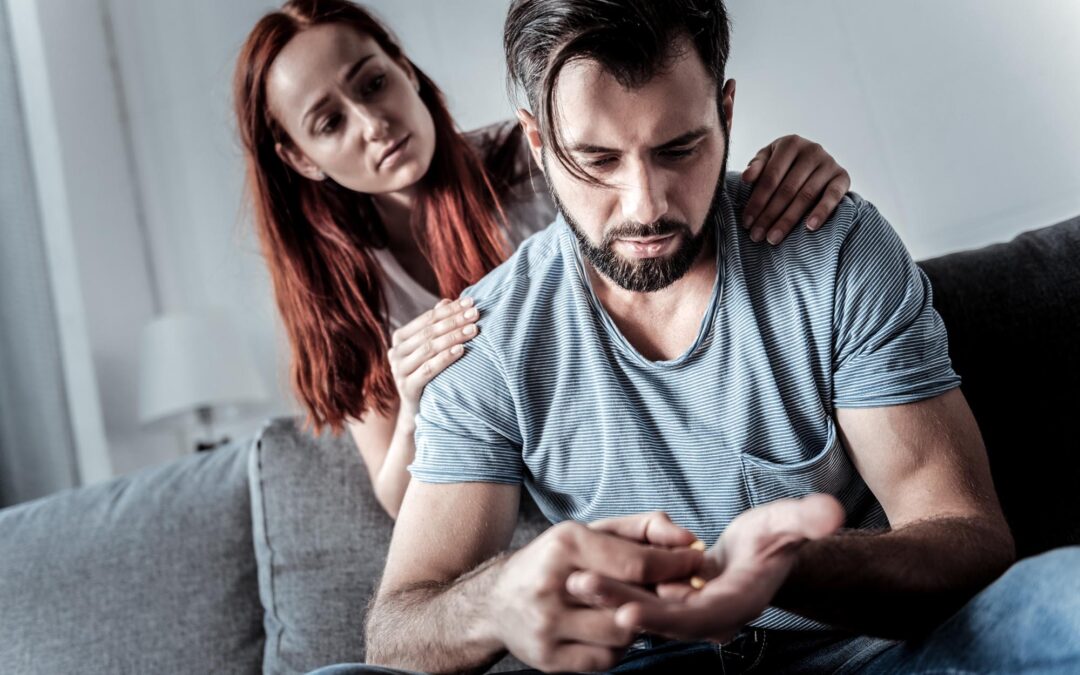
The call, the ambulance, the hours in the emergency room. If someone you love just survived an overdose, your family may be feeling relief, fear, anger, exhaustion, and grief all at once. You may be asking yourselves how this happened, whether it will happen again, and what you’re supposed to do now.
There’s no perfect script for this moment, but there are clear, practical steps that can help keep your loved one safe and move them toward treatment. Here’s what families can do in the hours, days, and weeks after a loved one survived an overdose.
First, Take a Breath
Your loved one is alive. That matters more than anything right now. It’s normal to want answers, promises, or immediate change, but the first priority is safety and connection. Conversations about treatment tend to go better when they come from care rather than panic or blame.
Common Feelings When a Loved One Survived an Overdose
Families often describe a confusing mix of emotions after someone they love survived an overdose:
- Relief that they’re alive
- Fear that it will happen again
- Anger about the lies, secrecy, or broken promises that came before
- Guilt about missing the signs or not doing more
- Exhaustion from the crisis and the hours spent waiting for news
All of these feelings are understandable. You don’t have to resolve them before taking practical steps, and you don’t have to hide them from each other. Naming what you feel can make it easier to work together on what comes next.
Step 1: After Someone Survived an Overdose, Keep Naloxone in Your Home
When someone has survived an overdose, the risk of another one is real. Naloxone can reverse an opioid overdose. According to the CDC’s fact sheet on reversing opioid overdoses with naloxone, naloxone “is a life-saving medication that can reverse an overdose from opioids,” and in most states you can get it at a local pharmacy without a prescription.
In Vermont, VT Helplink can help you find where to get naloxone and fentanyl test strips. Call or text “LINK” to 802-565-5465 or visit the VT Helplink resources from the Vermont Department of Health.
Step 2: Learn the Signs of an Overdose
The CDC lists signs of an opioid overdose that every family member should know:
- Small, constricted “pinpoint pupils”
- Falling asleep or losing consciousness
- Slow, weak, or no breathing
- Choking or gurgling sounds
- A limp body
- Cold and/or clammy skin
- Discolored skin, especially in the lips and nails
What to Do If It Happens Again
The CDC recommends these steps:
- Call 911 immediately.
- Give naloxone, if available.
- Try to keep the person awake and breathing.
- Lay the person on their side to prevent choking.
- Stay with them until emergency workers arrive.
The CDC notes that naloxone won’t harm someone who is overdosing on non-opioid drugs, so if you aren’t sure, it’s best to treat the situation like an overdose.
Step 3: Understand That Having Survived an Overdose Can Be a Turning Point
Overdose is a serious warning, and it’s also an opening. Many families find that after a loved one survived an overdose, there is a window when the person is more willing to talk about help. Use that window gently but clearly.
The risk is not abstract here in Vermont. According to the Office of Governor Phil Scott, Vermont recorded 170 drug overdose deaths in 2025, and fentanyl and cocaine remain the top two substances involved in overdose deaths, often in combination.
Step 4: Ask About Medication for Opioid Use Disorder
If opioids were involved, medication can be lifesaving. A large NIH-funded study of more than 17,000 adults in Massachusetts who survived an opioid overdose found that, over 12 months, overdose deaths decreased by 59 percent among those receiving methadone and 38 percent among those receiving buprenorphine.
Encourage your loved one to ask the emergency department, their primary care provider, or a treatment program about medication options.
Step 5: Talk About Treatment Without Shame
When a loved one survived an overdose, families often swing between wanting to protect them and wanting to confront them. Try to:
- Lead with love. Say you’re grateful they’re alive and that you want to help.
- Be specific. Share what you saw and how it affected you, without lecturing.
- Offer concrete help. Offer to make calls, drive to appointments, or sit with them during an intake call.
- Avoid ultimatums in the heat of the moment. Boundaries matter, but they work best when they’re thought through.
- Listen. Ask what they think would help.
Step 6: Help Them Connect to Care Quickly
The days after a loved one survived an overdose are a critical time to connect with treatment. Depending on what substances were involved and your loved one’s medical needs, the next step may be:
- Medical detox, if they’re at risk of serious withdrawal
- Medication for opioid use disorder, prescribed by a medical provider
- Outpatient treatment, such as an intensive outpatient program, to build skills and support while living at home
River Rock Treatment in Burlington is an outpatient program. Its addiction and alcohol treatment page notes that treatment often begins with detox, and the team can help you find a local detox facility if needed. From there, River Rock’s intensive outpatient program offers morning and evening schedules, along with standard outpatient care, group and individual therapy, drug testing, and recovery coaching.
Step 7: Take Care of Your Family, Too
Watching someone you love go through what happened, even though they survived an overdose, is traumatic. Family members may struggle with sleep, anxiety, anger, or guilt. It’s okay to need support for yourselves.
River Rock’s approach is trauma-informed, and its clinicians are trained in family-of-origin and Internal Family Systems work, which can help address the patterns and relationships that surround substance use.
What Not to Do
- Don’t assume that because they survived an overdose, they’ve been “scared straight.” Risk can remain high.
- Don’t remove naloxone from the home because you think it encourages use.
- Don’t handle everything alone. Use professional and community support.
- Don’t wait for rock bottom. An overdose may already have been one.
Frequently Asked Questions
What if my loved one survived an overdose but refuses treatment?
Keep naloxone nearby, keep the conversation open, and get support for your family. Many people agree to help later.
Should we stay with them after they come home?
Many families choose to check in closely at first. Avoid letting them use alone, and keep naloxone accessible.
How quickly should we look for treatment?
As soon as possible. Calling a program can help clarify next steps.
Your Family Doesn’t Have to Do This Alone
If your loved one survived an overdose, now is the time to reach out. Call River Rock Treatment at (888) 308-2624 or contact our team to talk about treatment options in Burlington, Vermont.
Recent Comments